Sydney Networking Event
Come and be part of our first networking event of 2026, hosted by AMWA committee member, Ciara Duffy. The event is free-of-charge to all,
with some nibbles provided by AMWA. Non-members are welcome!
This one-hour webinar is the second in a series on medical editing. This workshop is aimed at people new to editing and those who want to brush up on their editing skills. It will cover the processes of copyediting and proofreading, what they involve, what they do NOT involve and how they fit into the publishing process. We will also discuss the tools of the trade, including style manuals, style guides, stylesheets and software that can speed up parts of the process. You will also get a chance to submit questions to Malini beforehand which she will address at the end of the session.
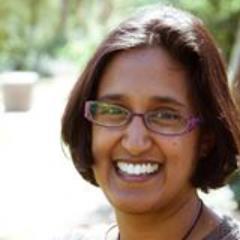 After completing her PhD at ANU in the 1990s, Malini spent several years working overseas in medical research. However, she realised she was in the wrong career after finding that she enjoyed the writing more than the lab work! When she returned to Australia, she discovered that there is a career called editing, and hasn’t looked back since.
She started editing in 2004 and became an accredited editor in 2009 after passing a written exam administered by the Australian Institute of Professional Editors (IPEd). She launched MD Writing and Editing in 2013 to focus on academic publications and to help scientists and medical professionals improve their writing skills.
She is an experienced trainer and has run highly acclaimed training courses for her peers through IPEd, the Australian Science Communicators and the Australasian Medical Writers Association.
Come and be part of our first networking event of 2026, hosted by AMWA committee member, Ciara Duffy. The event is free-of-charge to all,
with some nibbles provided by AMWA. Non-members are welcome!